
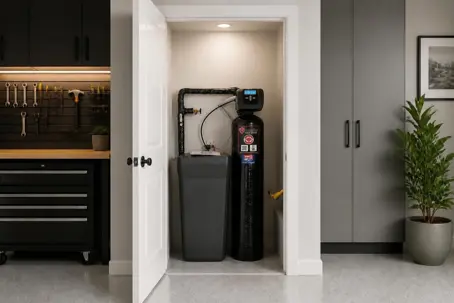
Is It Worth It to Buy a Water Softener for Your Austin Home?
If you live in Austin, Georgetown, Bee Cave, Lakeway, or Round Rock, you have probably noticed the effects of hard water. White spots on faucets, cloudy glassware, stubborn soap scum, and mineral buildup around showerheads are common frustrations for Central Texas homeowners. Over time, hard water can also contribute to scale buildup inside water heaters, plumbing fixtures, and other water-using appliances.
So, is a water softener worth it in Austin? For many Central Texas homeowners, the answer is yes. A properly sized and maintained water softener can reduce mineral buildup, help protect plumbing equipment, improve soap performance, and make everyday cleaning easier. However, the right solution depends on your home's water hardness, plumbing system, household needs, and maintenance preferences.
Whether you own a luxury home in Westlake, a family home in Round Rock, or a lakeside property in Lago Vista, understanding how hard water affects your home can help you make a more informed decision.
In this guide, Lantz Home Services explains what causes hard water in Austin, how water softeners work, what they can and cannot do, and how to determine whether installing one is a worthwhile investment for your home.
What Is Hard Water, and Why Is It Common in Austin?
Hard water is water that contains elevated concentrations of dissolved minerals, primarily calcium and magnesium. These minerals are naturally present in groundwater and can dissolve into water as it moves through limestone and other mineral-rich geological formations.
Central Texas has extensive limestone geology, which contributes to the region's hard water conditions. Many homes in Austin and surrounding communities receive water that contains enough dissolved minerals to cause noticeable scale buildup and cleaning challenges.
Hard water is not generally considered a health concern for most people. Calcium and magnesium are naturally occurring minerals, and their presence in drinking water does not automatically make the water unsafe. However, hard water can create ongoing maintenance concerns for homeowners.
Common signs of hard water in Austin homes include:
White, chalky residue: Mineral deposits appear on faucets, showerheads, glass shower doors, and kitchen fixtures.
Spotted dishes and glassware: Glasses and dishes may develop cloudy spots after washing, even when using a dishwasher.
Soap that does not lather well: Hard water minerals react with soap, reducing lather and sometimes leaving a filmy residue.
Dry-feeling skin and hair: Some homeowners find that bathing in hard water leaves their skin or hair feeling less comfortable.
Mineral buildup in water heaters: Calcium and magnesium can accumulate inside water heaters, potentially reducing heating efficiency and contributing to premature wear.
Frequent fixture cleaning: Showerheads, faucets, and other plumbing fixtures may need regular descaling to maintain proper water flow and appearance.
Hard water levels vary by water source and location. Even homes in the same neighborhood may have different water conditions, particularly when one property uses municipal water and another relies on a private well.
A water hardness test is the most reliable way to determine whether your home would benefit from a water softener.
How Does a Water Softener Work?
A water softener is a filtration and treatment system designed to reduce the concentration of hardness minerals in your home's water supply.
Most traditional residential water softeners use a process called ion exchange. During this process, water passes through a tank containing resin beads that attract and hold calcium and magnesium ions. These hardness minerals are exchanged for sodium or, in some systems, potassium ions.
As water flows through the system, the resin beads capture hardness minerals, allowing softened water to continue into your home's plumbing system.
Over time, the resin becomes saturated with calcium and magnesium. The system then goes through a regeneration cycle, flushing the accumulated minerals from the resin using a brine solution. The system is then ready to soften water again.
Most modern water softeners can regenerate automatically based on water usage or a programmed schedule. They typically require periodic salt replenishment and occasional maintenance to operate effectively.
It is important to understand that a water softener is not the same as a water filtration system. A conventional water softener targets hardness minerals. It does not necessarily remove chlorine, sediment, bacteria, viruses, or other contaminants.
If your primary concern is drinking water taste, sediment, or specific contaminants, a water filtration system may be more appropriate. Some homes benefit from combining water softening with additional filtration.
Benefits of Installing a Water Softener in Austin
For many homeowners, the biggest advantage of a water softener is the reduction of mineral buildup throughout the home. While the results vary depending on water hardness and household usage, a properly installed system can offer several practical benefits.
1. Helps Protect Your Water Heater
Your water heater is one of the appliances most affected by hard water. As water is heated, dissolved calcium and magnesium can form mineral deposits, commonly called scale. These deposits can accumulate inside a traditional tank water heater or on components of a tankless system.
Over time, scale buildup may reduce heat transfer efficiency, restrict water flow, contribute to unusual operating noises, and increase maintenance needs.
A water softener reduces the hardness minerals entering your water heater, which can help limit future scale accumulation. This is especially relevant for Austin homeowners who want to protect their investment in a traditional or tankless water heater.
Softened water does not eliminate the need for routine water heater maintenance, such as flushing when appropriate. However, it can be part of a broader strategy to manage hard water and maintain your plumbing equipment.
2. Reduces Mineral Buildup on Fixtures
If you are constantly cleaning white residue from your kitchen faucet, showerhead, or glass shower doors, hard water may be the reason.
Calcium and magnesium deposits can leave visible marks on plumbing fixtures, countertops, and glass surfaces. These deposits can be particularly frustrating in homes with high-end bathroom finishes, large glass showers, and premium kitchen fixtures.
A water softener reduces the minerals responsible for much of this buildup, which can mean less frequent scrubbing, fewer stubborn water spots, and easier everyday cleaning.
For homeowners in Bee Cave, Lakeway, and Westlake with custom finishes and luxury fixtures, reducing mineral deposits can also help simplify ongoing home maintenance.
3. Improves Soap and Detergent Performance
Hard water minerals interact with soap, making it more difficult to produce a lather and sometimes leaving behind a residue known as soap scum.
With softened water, soap and certain detergents can perform more effectively. Homeowners may notice:
Soap and shampoo lather more easily.
Less soap scum on shower walls and bathtubs.
Fewer mineral spots on dishes and glassware.
Reduced detergent requirements for some cleaning tasks.
The amount of soap or detergent needed will depend on the product and appliance manufacturer's recommendations. Avoid automatically reducing detergent amounts without checking the instructions for your dishwasher or washing machine.
4. May Help Extend the Life of Water-Using Appliances
Dishwashers, washing machines, water heaters, and other water-using appliances can be affected by mineral deposits.
As scale accumulates, it can interfere with certain components, affect performance, and increase the need for cleaning or repairs. Reducing water hardness can help limit this buildup and support the long-term maintenance of your appliances.
A water softener cannot guarantee a longer appliance lifespan. Equipment age, installation quality, usage, and routine maintenance all play a role. However, reducing scale exposure can be a useful preventative measure, especially in homes with particularly hard water.
5. Can Make Bathing More Comfortable
Some homeowners notice that their skin feels less dry or their hair feels easier to manage after installing a water softener.
This is because hard water minerals can interact with soaps and shampoos, leaving residue on skin and hair. Softened water may make it easier to rinse away these products.
Individual experiences vary, and a water softener is not a treatment for skin conditions or hair concerns. Still, improved soap performance and less residue can make everyday bathing more comfortable for some households.
Read our blog on eczema and hard water to learn more.
How Much Does a Water Softener Cost in Austin?
The cost of installing a water softener in Austin depends on the type of system, the size of your household, your home's plumbing configuration, and the complexity of the installation.
Typical factors that influence the total installation cost:
Factor | Why it matters |
|---|---|
System capacity | Larger households may need systems with greater softening capacity. |
Type of softener | Conventional salt-based, salt-free conditioning, and specialty systems have different costs. |
Plumbing modifications | Existing plumbing, available space, and drain access affect installation requirements. |
Water hardness | Higher mineral concentrations may require different system sizing or regeneration settings. |
Maintenance | Salt, servicing, and replacement components contribute to long-term costs. |
A water softener is a long-term home improvement, so it is important to consider both the initial installation and the ongoing maintenance costs.
For an accurate estimate, have a qualified plumber assess your water hardness, household usage, and existing plumbing. This helps ensure you are not paying for a system that is unnecessarily large or unsuitable for your home.
Salt-Based vs. Salt-Free Water Treatment: Which Do You Need?
Not every homeowner needs the same water treatment system. One of the most important steps in choosing a solution is understanding the difference between a traditional water softener and a salt-free water conditioner.
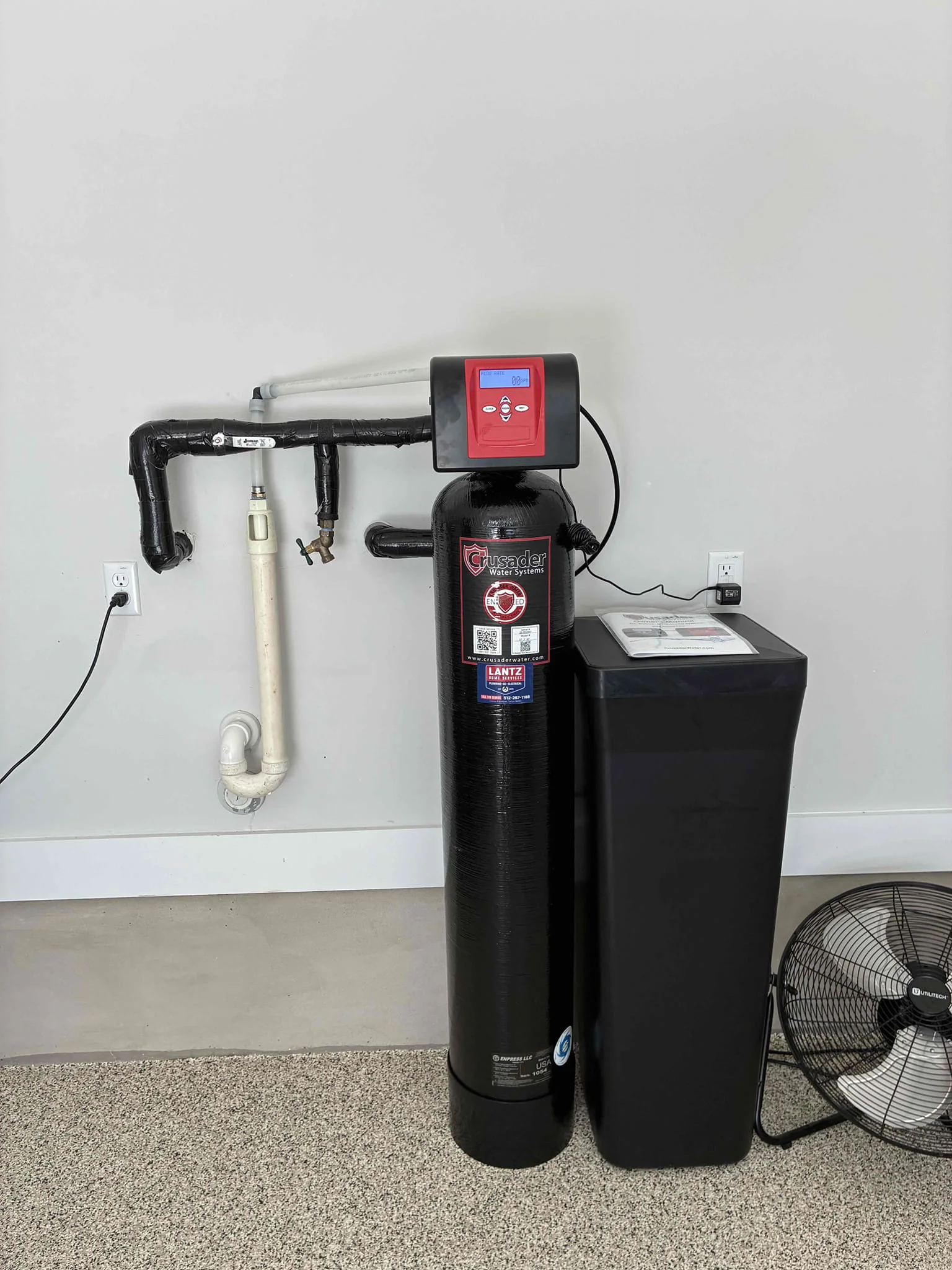
Salt-Based Water Softener
A traditional salt-based system uses ion exchange to remove calcium and magnesium hardness ions from water.
Actually reduces water hardness.
Helps reduce scale formation throughout the plumbing system.
Requires salt replenishment and periodic regeneration.
Adds a small amount of sodium or potassium to the softened water.
Salt-Free Water Conditioner
Salt-free conditioners generally use processes intended to change how hardness minerals behave, rather than removing them from the water.
May reduce the formation of hard scale on certain surfaces.
Does not remove calcium and magnesium from water.
Typically does not require salt or a regeneration cycle.
Performance depends on water chemistry and the specific technology used.
If your main goal is to reduce water hardness, a salt-based water softener is designed to do that. If your priority is reducing scale without removing hardness minerals, a salt-free conditioner may be worth exploring.
A licensed plumber can help evaluate your home's water quality and determine which system is appropriate.
Are There Any Downsides to a Water Softener?
Although water softeners offer several benefits, they are not the right choice for every home.
Ongoing maintenance: Traditional salt-based systems require regular salt replenishment, occasional cleaning, and periodic inspections. Forgetting to maintain the system can affect its performance.
Water usage: Some conventional softeners use water during regeneration. Modern demand-based systems can help manage this, but regeneration still contributes to overall water use.
Sodium content: Salt-based softeners exchange hardness minerals for sodium. The amount added depends on the original hardness level. Homeowners following sodium-restricted diets may want to discuss drinking-water options with a healthcare professional.
Initial installation cost: Purchasing and installing a quality system requires an upfront investment, and the benefits may take time to offset those costs.
Not a complete filtration system: A water softener is not designed to remove all contaminants. If you are concerned about chlorine, sediment, or other substances, you may need a separate filtration system.
Understanding these considerations before installation can help you choose a solution that fits your home's needs and your maintenance preferences.
How to Know If Your Austin Home Needs a Water Softener
The best way to determine whether a water softener is worth it is to start with a water hardness test. Hardness is typically measured in grains per gallon (GPG) or milligrams per liter (mg/L) of calcium carbonate.
General water hardness levels
Hardness | Grains per gallon (GPG) |
|---|---|
Soft | 0–1 |
Slightly hard | 1–3.5 |
Moderately hard | 3.5–7 |
Hard | 7–10.5 |
Very hard | Over 10.5 |
These are commonly used general classifications. Exact ranges can vary slightly between water quality references.
If your water falls into the hard or very hard category, you may notice more mineral deposits and scale-related maintenance concerns.
Homeowners in Austin, Georgetown, Round Rock, Bee Cave, and Lakeway can benefit from testing their water rather than assuming every home has the same hardness level.
If your property relies on a private well, testing is especially important. Well water quality can vary considerably depending on the source, and testing for hardness alone may not identify other treatment needs.
A professional plumbing assessment can help you understand your water quality, determine the appropriate system capacity, and identify any installation requirements specific to your property.
Is a Water Softener Worth It for a Luxury Home?
For homeowners in Westlake, Bee Cave, and Lakeway, a water softener can be a practical consideration when maintaining a home with premium fixtures, custom finishes, and multiple water-using appliances.
Large homes may have multiple bathrooms, expansive kitchens, laundry rooms, and sophisticated plumbing systems. These features can increase water usage and create more surfaces where mineral deposits may become noticeable.
Reducing hardness can help limit scale accumulation in plumbing fixtures and water-using equipment while making regular cleaning easier.
For second homes and lakefront properties around Lago Vista and Lake Travis, the right water treatment system will depend on whether the property uses municipal water, a private well, or a lake water system. These water sources can have different treatment requirements.
Ultimately, the value of a water softener is not just about preventing visible water spots. It is about whether reducing hardness will meaningfully improve your household's water experience and ongoing maintenance needs.
Why Professional Water Softener Installation Matters
Choosing the right water softener is only part of the process. Proper installation is essential for the system to function as intended.
A qualified plumber can evaluate your home's water supply, measure water hardness, estimate household demand, and determine the appropriate system capacity. They can also identify a suitable installation location with access to the necessary plumbing connections, drainage, and electrical power, if required by the equipment.
Professional installation also helps ensure the system is configured correctly, including its regeneration settings and bypass valve.
For homes with existing water filtration, tankless water heaters, private wells, or specialized plumbing, it is particularly important to consider how the new system will integrate with existing equipment.
At Lantz Home Services, our plumbing professionals serve Austin, Lago Vista, and surrounding Central Texas communities. With more than 50 years of combined trade experience, our team focuses on clear explanations, upfront options, and helping homeowners understand what their home actually needs.
The goal is to find a water treatment solution that fits your household, rather than recommending equipment that may not provide meaningful benefits.
Related Plumbing, HVAC, and Electrical Services
Water quality can affect more than your faucets and showerheads. It is also connected to the performance and maintenance of several systems throughout your home.
Lantz Home Services provides plumbing, HVAC, and electrical services to homeowners throughout Austin and surrounding Central Texas communities.
Explore our related services:
Water Heater Repair and Installation : Keep your traditional or tankless water heater operating properly with professional diagnostics, maintenance, and installation.
Water Filtration Systems : Explore water treatment options for household water quality concerns beyond hardness.
Plumbing Services : Get help with plumbing repairs, fixture concerns, water pressure issues, and plumbing system upgrades.
Drain Cleaning and Sewer Services : Address clogged drains, sewer concerns, and other drainage problems.
HVAC Maintenance : Keep your air conditioning and heating systems maintained for reliable home comfort.
Electrical Services : Get professional help with electrical repairs, troubleshooting, and home electrical upgrades.
Explore the Lantz Home Services website for service details and scheduling.
Protect Your Home With the Ultimate Home Care Plan
A water softener can be one part of a larger home maintenance strategy. Your plumbing, HVAC, and electrical systems all benefit from regular inspections and attention to developing issues.
The Ultimate Home Care Plan from Lantz Home Services is designed to help homeowners stay ahead of routine maintenance, keep track of their home's systems, and identify potential concerns before they turn into unexpected problems.
Membership benefits include documented home-system inspections, increased membership benefits, and Loyalty Bucks. Members can also use the Customer Portal to view previous work, invoices, and upcoming appointments, including membership visits.
For homeowners in Austin, Georgetown, Bee Cave, Lakeway, and Round Rock, having a consistent maintenance schedule can make it easier to manage a busy household and keep important home systems on track.
While a home care plan does not replace water softener maintenance or guarantee that repairs can be avoided, it can help you stay organized and proactive about your home's overall condition.
Water Softener Installation in Austin and Nearby Cities
Lantz Home Services proudly serves homeowners in Lago Vista, Austin, and surrounding Central Texas communities. Whether you are dealing with hard water in a family home or planning a plumbing upgrade for a custom property, our team is here to help you understand your options.
Our service areas include:
If you are unsure whether your home would benefit from a water softener, a professional assessment can help you make a more informed decision.
Leave it to Lantz. Contact Lantz Home Services to discuss your home's water quality and explore plumbing solutions that fit your needs.
Frequently Asked Questions About Water Softeners in Austin
Is Austin water hard enough to need a water softener?
Many homes in Austin and surrounding Central Texas communities experience hard water due to the region's mineral-rich geology. However, hardness levels vary by water source and location. A water hardness test can help determine whether your home would benefit from a softener.
How long does a water softener last?
A properly installed and maintained residential water softener can often last around 10 to 15 years, although lifespan varies by system quality, water conditions, usage, and maintenance. Regular inspections and timely servicing can help keep the system operating effectively.
Does a water softener make drinking water safe?
A conventional water softener reduces calcium and magnesium hardness minerals, but it is not designed to remove all contaminants or make unsafe water safe to drink. If you have concerns about drinking water quality, consider appropriate water testing and filtration based on the specific contaminants present.
Will a water softener help my tankless water heater?
A water softener can help reduce the hardness minerals entering a tankless water heater, which may limit scale buildup inside the heat exchanger. However, tankless water heaters still require maintenance according to the manufacturer's recommendations, including descaling when necessary.
Does a water softener reduce water pressure?
A properly sized and installed water softener should not cause a noticeable reduction in household water pressure under normal operating conditions. However, an undersized system, clogged components, or incorrect installation can restrict flow. A plumber can help diagnose these issues.
Is a salt-free water conditioner just as effective as a water softener?
Salt-free water conditioners and traditional water softeners work differently. Salt-based systems remove hardness minerals through ion exchange, while salt-free conditioners generally aim to reduce scale formation without removing those minerals. The right option depends on your water chemistry and treatment goals.
How much salt does a water softener use?
Salt consumption depends on the system's size, water hardness, household water usage, and regeneration settings. Demand-based systems can adjust regeneration according to usage, which may help reduce salt consumption compared with systems that regenerate on a fixed schedule.
Can I install a water softener myself?
Some homeowners may be comfortable with basic plumbing projects, but water softener installation involves water supply connections, drainage, system sizing, and proper configuration. Professional installation can help prevent leaks, incorrect settings, and potential problems with existing plumbing equipment.
Should I install a water softener or a whole-home water filtration system?
It depends on your water quality concerns. A water softener is designed to reduce hardness minerals, while a whole-home filtration system targets specific substances such as sediment, chlorine, or other contaminants, depending on the filtration technology. Some homes benefit from using both systems together.
Is a water softener worth the investment in Central Texas?
For households with hard or very hard water, a water softener may be worthwhile because it can reduce scale buildup, improve soap performance, and make cleaning easier. Whether the investment makes financial sense depends on installation costs, ongoing maintenance, household water usage, and the issues you are trying to address.
Ready to find out if a water softener is right for your home?
From hard water concerns to water heater maintenance, Lantz Home Services helps homeowners in Austin, Georgetown, Bee Cave, Lakeway, Round Rock, and surrounding Central Texas communities make informed plumbing decisions.
Call Lantz Home Services at 512-710-1032 to discuss your home's water quality and explore your options.
Leave it to Lantz.