
The Ultimate Guide to Metro Austin Water Filtration: Is Reverse Osmosis Right for Your Home?
If you live in the metro Austin area, you already know that our local environment is unique. From the beautiful limestone formations of the Texas Hill Country to the rapid growth across our suburbs, living here is incredible. However, those same beautiful limestone geographic formations mean one thing for your home: incredibly hard water.
While regular municipal tap water across Central Texas is completely safe to drink and meets all federal safety standards, safety and quality are two different things. Many homeowners look for ways to elevate their home's water quality, eliminate unpleasant odors, and protect their plumbing investments.
If you have started researching home water treatment, you have likely run into a dizzying array of options, from distillation systems and ultraviolet (UV) disinfection to carbon block filters and reverse osmosis.
If you are looking for a filtration system that will dramatically improve your water's taste, remove a wide spectrum of impurities, and remain highly cost-effective, a Reverse Osmosis (RO) system is the industry gold standard. At Lantz Home Services, we specialize in high-efficiency RO systems engineered to handle the exact water conditions we face here in Central Texas.
Here is a comprehensive look at how water filtration works in Central Texas, the specific benefits of our recommended RO systems, and how you can get a free, hyper-local water test for your home.
Understanding Your Options: Home Water Filtration Methods
Before diving into why Reverse Osmosis stands out, it helps to understand how it compares to other common water treatment methods available on the market today:
- Distillation: This process boils water into steam and condenses it back into liquid, leaving impurities behind. While effective, it is incredibly slow, consumes a massive amount of electricity, and leaves water tasting flat because it strips out every single natural mineral.
- Ultraviolet (UV) Disinfection: UV systems use specialized light to scramble the DNA of living microorganisms, neutralizing bacteria and viruses. While vital for certain private well systems, UV light does not remove chemical contaminants, heavy metals, chlorine, or sediment.
- Activated Carbon Block Filters: Excellent for basic taste and odor improvement, carbon filters act like a sponge to trap chlorine and larger particles. However, they cannot filter out dissolved solids, heavy metals, or microscopic chemical compounds on their own.
- Reverse Osmosis (RO): RO systems use a multi-stage process that forces water through a semi-permeable membrane at high pressure. This membrane features microscopic pores that allow water molecules to pass through while rejecting up to 99% of dissolved solids, chemicals, heavy metals, and impurities.
For the average metro Austin home, Reverse Osmosis offers the best balance of comprehensive purification, convenience, and long-term value.
Why We Recommend Our Multi-Stage RO Systems for Austin Homes
Not all Reverse Osmosis systems are engineered equally. Lower-end retail systems often suffer from poor water pressure, high rates of water waste, and frequent component leaks. After testing various models across local water profiles, Lantz Home Services has selected top-tier systems tailored for our region.
Here is a closer look at the standout engineering benefits of our featured RO systems:
1. Unmatched Taste with Coconut Carbon Polishing
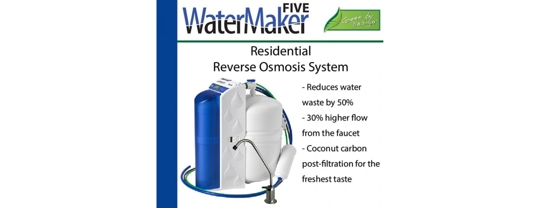
Standard tap water can often taste flat, chemical-heavy, or metallic depending on local municipal treatment cycles. High-quality residential RO systems strip away those offensive flavor profiles. Our system goes a critical step further by incorporating a premium coconut carbon post-filter. This acts as a final "polishing" stage right before the water leaves your dedicated faucet, delivering a crisp, refreshing taste that rivals premium bottled water brands.
2. Comprehensive Multi-Stage Impurity Removal
Beyond just fixing the flavor, our system eliminates hidden, microscopic impurities that standard pitcher filters leave behind. The multi-stage membrane barrier filters out:
- Sulfates and Nitrates: Often found in regional groundwater.
- Heavy Metals: Including lead and copper that can leach from aging plumbing infrastructure.
- Pharmaceutical Residues: Trace elements that occasionally bypass municipal water treatment facilities.
- Chlorine and Chloramines: Municipalities across Travis, Williamson, and Hays counties use intense disinfection methods to keep water safe during transit. Our integrated carbon post-filter successfully scrubs these chemicals out, removing the strong "swimming pool" smell and taste from your drinking water.
3. Industry-Leading Fluid Efficiency
Historically, the biggest drawback of RO systems was water waste and low pressure. Modern engineering has solved these pain points. Our specialized RO systems deliver a 30% higher flow rate from your faucet than standard brands, meaning no more waiting around to fill a large pot or pitcher. Furthermore, they are designed to waste 50% less water during the filtration cycle and refill their internal storage tanks significantly faster than standard under-sink systems.
4. Low Maintenance & High Return on Investment
Our RO plumbing systems are reasonably priced, incredibly reliable, and require minimal routine maintenance—typically just a straightforward annual filter swap. If your household currently relies on purchasing plastic water bottles or heavy bulk jugs from the grocery store, switching to an under-sink RO system will save you hundreds of dollars a year while drastically reducing your environmental footprint.
The Perfect Pair: RO Drinking Water + Whole-Home Water Softening
To truly understand water treatment in Central Texas, we have to talk about water hardness.
The metro Austin area relies heavily on water sourced from the Colorado River system (like Lake Austin and Lake Travis) as well as underground limestone aquifers (like the Edwards Aquifer). As rainwater filters through our regional limestone, it dissolves high amounts of calcium and magnesium. This results in some of the hardest water profiles in the United States.
While a Reverse Osmosis system is the ultimate solution for your drinking and cooking water at the kitchen sink, it is not designed to treat the water running through your entire house. That is why many metro Austin homeowners choose a two-pronged approach:
- An Under-Sink RO System at the kitchen sink to provide pristine, purified water for drinking, ice makers, coffee, and cooking.
- A Whole-Home Water Softener at the main water inlet to remove calcium and magnesium before it enters your plumbing system.
This powerful combination provides pristine drinking water at your fingertips while protecting your pipes, tankless water heaters, dishwashers, and washing machines from damaging scale buildup. It also means cleaner dishes, softer laundry, and less soap scum on your shower glass.
Frequently Asked Questions About Austin Water Filtration
Does a Reverse Osmosis system soften water?
No. An RO system is designed to purify drinking water at a single point of use (like your kitchen faucet). While its membrane removes minerals, using hard water directly in an RO system without a whole-home water softener will cause the membrane to clog prematurely due to Austin's intense limestone buildup.
Where is the RO system installed?
Most commonly, the compact multi-stage filtration system and its small storage tank are tucked neatly beneath your kitchen sink. We run a line to a dedicated drinking water faucet next to your main tap, and we can also connect it to your refrigerator's ice maker and water dispenser.
How often do the filters need to be changed?
To maintain maximum efficiency and water purity, we recommend changing the pre- and post-filters once a year. The main semi-permeable membrane lasts much longer, typically needing replacement every 3 to 5 years depending on usage.
Why does Austin water sometimes smell or taste like a swimming pool?
Local municipal water plants use chlorine or chloramines to disinfect water and keep it safe as it travels through miles of pipes to your home. While safe, these chemicals leave behind a strong taste and odor. Our RO systems completely strip out these treatment chemicals before you drink them.
Claim Your Free Metro Austin Water Test Today!
Water quality can vary wildly depending on exactly where you live in the metro area. A home relying on municipal water in downtown Austin or Round Rock will have completely different filtration needs than a household relying on a private well in the Texas Hill Country near Lakeway, Wimberley, or Dripping Springs.
Before you spend money on equipment, you need to know exactly what is in your specific water supply.
Call Lantz Home Services today at (512) 710-1032 to schedule your free, no-obligation home water test. Our local Austin water treatment experts will test your water right at your kitchen counter, break down the exact hardness and total dissolved solids (TDS) levels, and help you design the perfect, customized filtration setup for your family’s needs and budget.